Written with guidance from certified veterinary professionals
Bathing your dog doesn’t have to be a stressful experience filled with wet struggles and soapy messes. Whether you’re a first-time pet owner or looking to improve your technique, this comprehensive guide will walk you through How to Bathe a Dog safely and effectively.
Why Proper Bathing Matters
Regular grooming is essential for your dog’s health. It removes dirt, prevents matting, controls shedding, and gives you a chance to check for skin issues, lumps, or parasites. Learning how to wash a dog properly can transform bath time from a chore into a bonding experience.
What You’ll Need: The Essential Supplies
Before you begin, gather these supplies:
- Dog shampoo (never human shampoo – pH levels are different)
- Conditioner (for dogs with long or coarse coats)
- Non-slip mat for the tub
- Spray attachment or jug for rinsing
- Towels (multiple)
- Brush or comb
- Treats for positive reinforcement
- Cotton balls for ears
Pre-Bath Preparation: Setting the Stage

Brush Your Dog Thoroughly
Always brush your dog before bathing to remove loose hair and tangles. Water can make mats worse, so this step is crucial for how to bathe your dog effectively.
Choose the Right Location
- Small dogs:Use a sink or small tub
- Large dogs:A walk-in shower or outdoor area works well
- Always use a non-slip surface to prevent accidents
Prepare the Water
Use lukewarm water – not hot. Test it on your wrist like you would for a baby’s bath.
The Step-by-Step Guide: How to Bathe a Dog
Properly prepare your dog, gather supplies, and brush their coat before the bath to reduce tangles and shedding. Use lukewarm water and dog-friendly shampoo, rinse thoroughly, and dry completely to keep your dog clean, healthy, and comfortable.
Step 1: Get Your Dog Comfortable
Lead your dog calmly to the bathing area. Use treats and praise to create positive associations. If your dog seems anxious, take a few minutes to help them relax before starting.
Step 2: Wet the Coat Thoroughly
Start from the neck and work backward, avoiding the head initially. Ensure you reach the undercoat by parting the fur as you spray.
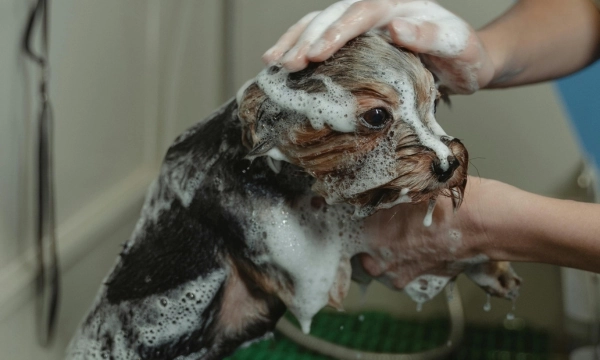
Step 3: How to Shampoo a Dog Correctly
This is where many people make mistakes. Here’s the right approach:
- Dilute the shampoo according to package directions
- Apply from neck down in the direction of hair growth
- Massage gently with your fingertips, not nails
- Pay attention to dirty areas like paws and underbelly
- Avoid circular motions that can create tangles
Pro Tip: For double-coated breeds, work in sections to ensure the shampoo reaches the skin.
Step 4: The Face and Head
Use a washcloth with diluted shampoo for the face. Be extremely careful around the eyes, ears, and mouth. Never spray water directly on your dog’s face.
Step 5: Rinse Thoroughly
Incomplete rinsing is the #1 cause of skin irritation after bathing. Rinse until the water runs completely clear, which typically takes 2-3 times longer than shampooing.
Step 6: Apply Conditioner (If Needed)
Follow the same application process as shampoo, then rinse completely according to product directions.
Step 7: Drying Your Dog
- Squeeze out excess water from the coat
- Blot with towels– don’t rub vigorously
- Use a blow dryer on cool setting if your dog tolerates it
- Brush as you dry for longer coats
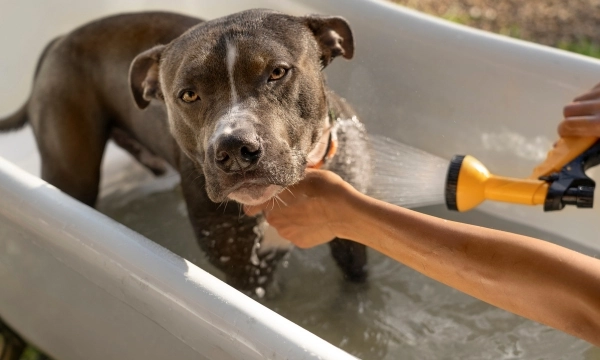
How to Wash a Dog That Hates Baths
If your dog is anxious about bath time, try these techniques:
- Use high-value treats throughout the process
- Place a lick mat with peanut butter on the wall
- Keep your voice calm and reassuring
- Consider a calming aid or pheromone spray
- Start with shorter, more frequent sessions
Common Bathing Mistakes to Avoid
Mistake Why It’s Problematic Better Approach
Using human shampoo Disrupts skin pH, causes irritation Use only dog-formulated shampoo
Bathing too frequently Strips natural oils, causes dry skin Bathe every 4-6 weeks or as needed
Not rinsing thoroughly Leaves residue that irritates skin Rinse until water runs clear
Water in ears Can lead to infections Place cotton balls in ears before bathing
Rough handling Creates negative associations Use gentle, confident movements
Breed-Specific Considerations
Short-haired breeds: May need less frequent bathing
Double-coated breeds: Require thorough drying to prevent hot spots
Wrinkly breeds: Need special attention to skin folds
Long-haired breeds: Require conditioner and careful detangling
Frequently Asked Questions
How often should I bathe my dog?
Most dogs need bathing every 4-6 weeks, but this varies by breed, activity level, and skin conditions. Over-bathing can strip essential oils from their coat.
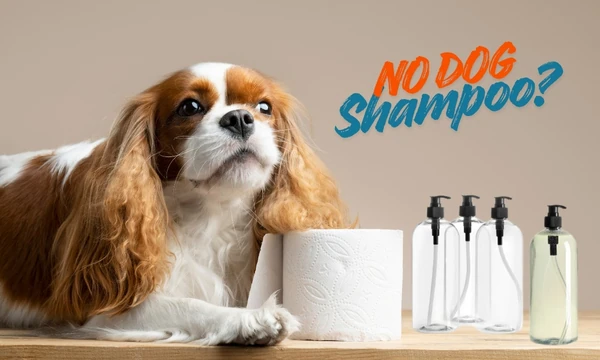
What if I don’t have dog shampoo?
In an emergency, use a very small amount of mild, unscented baby shampoo. Never use human shampoos with strong detergents or fragrances.
How do I clean my dog’s paws between baths?
Use pet wipes or a damp cloth with a bit of dog shampoo, then wipe with clear water.
Can I use dry shampoo?
Yes, between baths, dog-safe dry shampoo can help freshen your pet. Always choose products made specifically for dogs.
When to Seek Professional Help
- Some situations call for a professional groomer:
- Your dog has severe anxiety or aggression
- You need specialized services like de-shedding
- Your dog has medical conditions requiring expert care
- You’re uncomfortable with nail trimming or anal gland expression
Post-Bath Care
After bathing, ensure your dog is completely dry before letting them outside, especially in cooler weather. Check their ears for moisture and gently clean if needed. Reward them with a special treat or play session to reinforce positive associations.
Conclusion
Mastering how to bathe a dog takes practice, but with patience and the right technique, you can keep your canine companion clean, comfortable, and healthy. Remember that every dog is different – adjust your approach based on your dog’s breed, temperament, and specific needs.
Ready for a stress-free bath time? Save this guide for reference, and don’t forget to reward your clean pup with extra cuddles!
Note: This guide was developed with input from veterinary professionals. For dogs with specific health conditions or severe anxiety, please consult your veterinarian for personalized advice.
Related post :- Can I Use Human Shampoo On Dogs