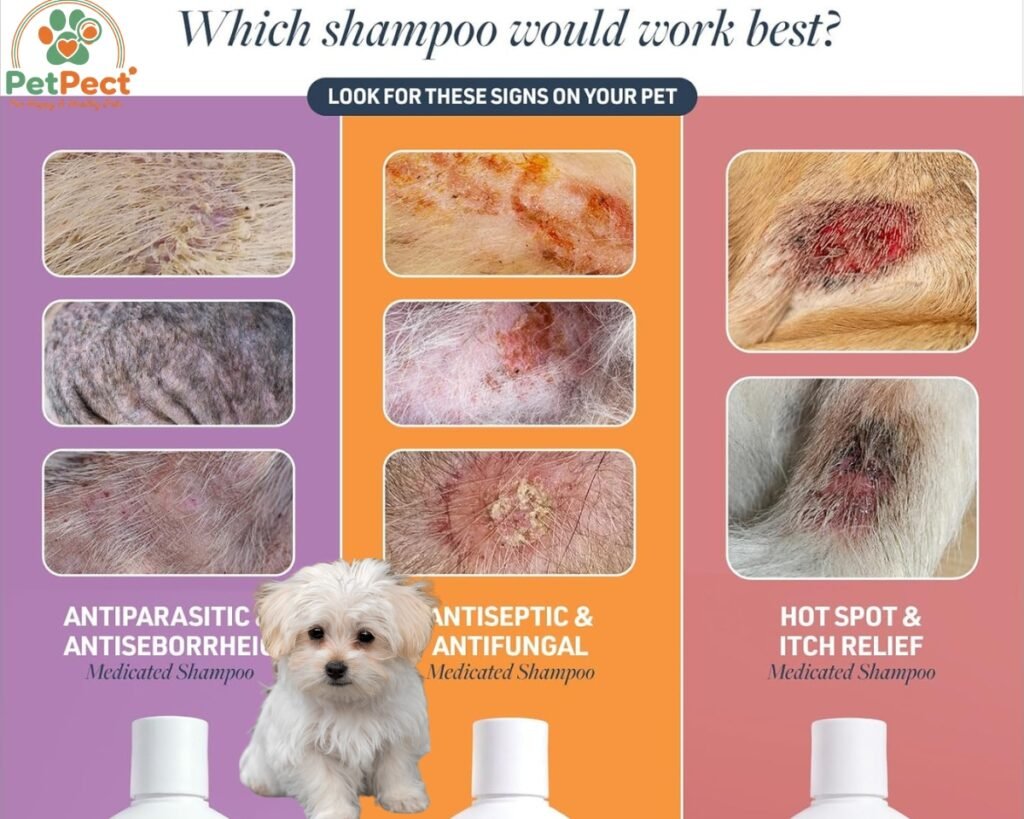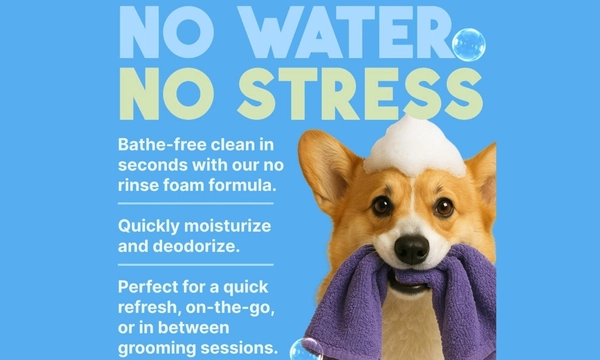

Treat skin issues naturally. Discover the best dog shampoo for allergies made with oatmeal and aloe. Safe, chemical-free options for your furry friend.
However, grabbing any bottle off the shelf can make things worse. To stop the itch, you need the best dog shampoo for allergies—specifically formulated to restore the skin barrier rather than strip it. In this guide, we will dive deep into vet-recommended solutions, medicated options, and how to choose the right wash to turn your itchy pup into a happy, comfortable companion.
Medicated Dog Shampoo for Allergies
Not every itchy dog needs a medicated product, but many allergic dogs develop secondary problems like bacterial or yeast infections. That’s when medicated dog shampoo for allergies becomes important.
Medicated shampoos may contain:
- Chlorhexidine– antibacterial
- Miconazole/ketoconazole– antifungal
- Benzoyl peroxide– deep-cleansing, helps with follicular flushing
- Hydrocortisone or pramoxine– anti-itch and anti-inflammatory
Because medicated shampoos are stronger and target specific problems, they should ideally be used under veterinary guidance. Overusing them or choosing the wrong type can dry out the skin or mask the real issue.
Note: Always consult your veterinarian before switching to a medicated shampoo to ensure you are treating the right type of infection.
Allergy Shampoo for Dogs
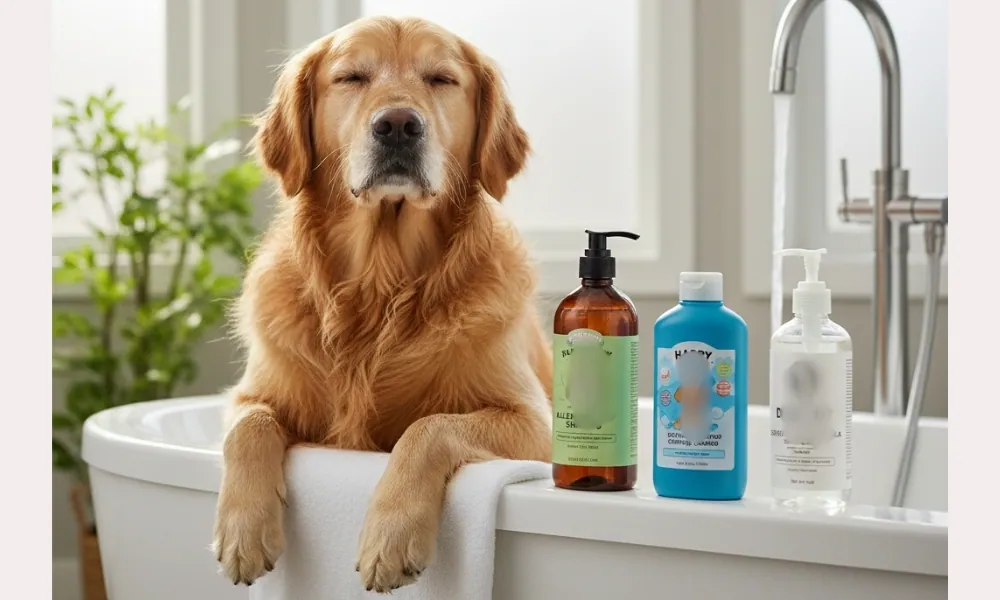
When looking for a general maintenance allergy shampoo for dogs, the goal is to create a healthy “scalp” and skin environment. You aren’t just washing hair; you are treating the organ underneath it.
The most effective allergy shampoos rely on ingredients that mimic the natural skin barrier. Here are the gold-standard ingredients to look for:
- Colloidal Oatmeal: This isn’t just breakfast food. Colloidal oatmeal is a grain that has been ground into a fine powder and suspended in liquid. It contains avenanthramides, which are compounds that actively reduce histamine-induced itching. It is the most common ingredient in shampoo for dogs with skin allergies.
- Aloe Vera: Known for its cooling properties, Aloe helps reduce the “heat” in hot spots and provides immediate soothing relief to red, angry skin.
- Pramoxine Hydrochloride: If your dog is in misery, look for this ingredient. It is a mild topical anesthetic that temporarily numbs the skin, giving your dog a break from the urge to scratch.
- Ceramides: These are lipid molecules that help hold the skin cells together, effectively rebuilding the “mortar” in the brick wall of your dog’s skin barrier.
Types of Allergy-Friendly Shampoos Vets Often Recommend
To match the “Top 7 Picks” idea without pushing specific brands, here are ten common types of allergy shampoo for dogs that vets reach for:
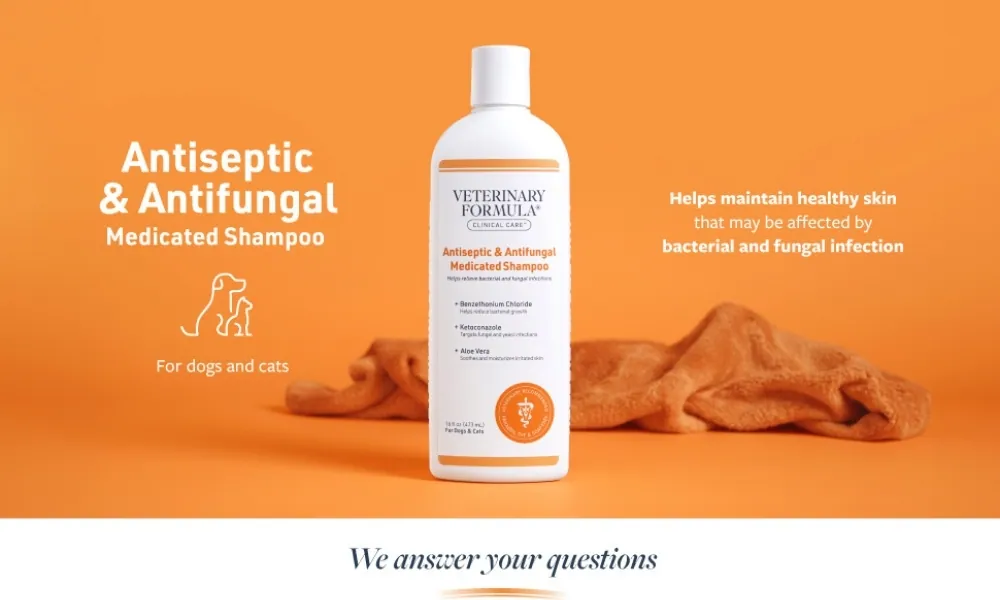
1. Veterinary Formula Clinical Care Antiseptic & Antifungal – Best for Infected Allergy Skin
The Hook:
If your dog’s allergies often turn into smelly, greasy, red patches, this medicated wash tackles the infection behind the itch. It’s one of the best options when allergy flare-ups lead to bacterial or yeast problems.
Best For:
- Dogs with yeast infections and “corn chip” odor
- Red, scaly, or pustular skin (pyoderma)
- Allergy dogs that keep getting secondary infections
Key Ingredients & Benefits:
- Ketoconazole: Antifungal that helps clear yeast and ringworm on irritated skin.
- Benzethonium Chloride: Targets odor-causing and infection-causing bacteria.
- Aloe Vera: Adds moisture and calms irritation so the medication doesn’t overdry the skin.
Pros & Cons:
- Pros: Veterinary style strength at home; excellent for allergy dogs with chronic infections; designed to work quickly when used as directed.
- Cons: Needs several minutes of contact time before rinsing; has a medicinal smell; best used under veterinary guidance, not as a casual everyday shampoo.
2. Earthbath Oatmeal & Aloe – Best for Dry & Itchy Allergy Skin
The Hook:
For everyday itching from dry, sensitive skin or mild environmental allergies, this gentle, soap-free shampoo offers natural relief without harsh chemicals. It’s a great “first choice” allergy shampoo for dogs with moderate discomfort.
Best For:
- Seasonal/environmental allergies (pollen, dust, grass)
- Dry, flaky, or slightly red skin
- Owners wanting a biodegradable, cruelty-free formula
Key Ingredients & Benefits:
- Colloidal Oatmeal: Helps relieve itching while supporting the skin’s moisture barrier.
- Aloe Vera: Cools hot spots and soothes irritated areas.
- Soap Free, pH Balanced Base: Cleans without stripping the coat’s natural oils.
Pros & Cons:
- Pros: Mild vanilla/almond scent; gentle enough for frequent use; safe with most topical flea and tick treatments.
- Cons: Not strong enough to treat serious bacterial or fungal infections; best for mild to moderate allergy symptoms, not severe dermatitis.
3. Douxo S3 Calm Shampoo – Best Vet-Recommended for Allergic Dermatitis
The Hook:
If your dog has been diagnosed with atopic dermatitis or persistent allergic skin disease, this is one of the most commonly recommended shampoos by dermatology vets. It’s carefully formulated to restore and protect the skin barrier over time.
Best For:
- Dogs with atopic dermatitis (environmental allergies)
- Chronic, long-term itching and redness
- Owners looking for a premium, vet-backed solution
Key Ingredients & Benefits:
- Ophytrium: A purified natural extract that helps strengthen the skin barrier and support a healthy skin microbiome.
- Soap, Sulfate & Paraben Free Base: Minimizes the risk of further irritation.
- Hypoallergenic Fragrance: Light coconut vanilla scent, designed for sensitive dogs.
Pros & Cons:
- Pros: Developed specifically for allergic dogs; very gentle but effective; rich lather that spreads easily, even on thick coats.
- Cons: More expensive than typical shampoos; works best as part of a complete allergy plan (medications, diet, etc.) under veterinary guidance.
4. Vet’s Best Allergy Itch Relief Shampoo – Best Herbal & Seasonal Formula
The Hook:
If your dog gets itchy after playing in grass or during high pollen seasons, this botanical shampoo helps rinse away allergens while calming the skin. Ideal if you want one of the best dog shampoos for allergies with a more natural ingredient profile.
Best For:
- Environmental allergies (grass, weeds, pollen)
- Dogs that develop hot spots from licking and scratching
- Owners who prefer plant-based remedies
Key Ingredients & Benefits:
- Oatmeal & Aloe: Work together to soothe and moisturize itchy skin.
- Tea Tree Oil & Other Botanicals: Provide mild antiseptic support for irritated areas.
- Soap Free Formula: Cleans without interfering with the skin’s natural oils.
Pros & Cons:
- Pros: Pleasant herbal scent; helps wash allergens off the coat; a good middle ground between “basic” and medicated shampoos.
- Cons: Tea tree oil can bother some very sensitive dogs; not for cats; not a replacement for prescription medicated shampoos when infection is present.
5. Burt’s Bees for Dogs Itch Soothing – Best for Puppies & Mild Allergies
The Hook:
For puppies or dogs with only mild itchiness, this ultra-gentle, mostly natural shampoo cleans without disrupting the skin’s balance. It’s a safe, simple option when you want something very soft on sensitive skin.
Best For:
- Puppies and senior dogs with delicate skin
- Mild itching or occasional dryness
- Dogs that can’t tolerate heavy fragrances or harsh detergents
Key Ingredients & Benefits:
- Honeysuckle: Offers mild anti-inflammatory properties to ease irritation.
- Colloidal Oatmeal: Lightly conditions skin and coat.
- pH Balanced Formula: Helps avoid over-drying and extra sensitivity.
Pros & Cons:
- Pros: Very affordable; no sulfates or colorants; gentle enough for frequent use; ideal first step before using stronger products.
- Cons: Lathers lightly, which some owners dislike; not enough for moderate to severe allergic dermatitis or active infections.
6.4-Legger Organic Dog Shampoo – Best Organic & Hypoallergenic
If you want the cleanest ingredient list possible, this USDA Certified Organic wash is the answer. It uses organic oils instead of detergents, making it the best dog shampoo for allergies caused by chemical sensitivities.
Best For:
- Hyper-sensitive dogs reacting to other shampoos.
- Owners who want 100% non-toxic ingredients.
- Eco-conscious owners.
Key Ingredients & Benefits:
- Lemongrass Oil: Natural antibacterial and pest deterrent (fleas).
- Organic Coconut & Olive Oil: Moisturizes skin deeply without grease.
- Aloe Vera: Provides hydration to dry skin.
Pros & Cons:
- Pros:100% biodegradable; no synthetic preservatives; safe if licked.
- Cons: Thin consistency (watery); strong lemon scent.
7. TropiClean OxyMed Medicated – Best for Fast Relief & Dandruff
When your dog is scratching nonstop, you need speed. This formula is designed to stop itching on contact while exfoliating dead skin cells, making it perfect for dogs with dandruff (seborrhea).
Best For:
- Immediate itch relief.
- Flaking skin and dandruff (Seborrhea).
- Thick coats that need deep cleaning.
Key Ingredients & Benefits:
- Beta Hydroxy (Salicylic Acid): Exfoliates and lifts scaly dandruff.
- Colloidal Oatmeal: Soothes the skin after exfoliation.
- Vitamin E: Nourishes and conditions the coat.
Pros & Cons:
- Pros: Stops itching very fast; creates a rich lather; helps with flaking.
- Cons: Scent is strong; contains some chemical exfoliants.
- Hypoallergenic oatmeal shampoos
- Antibacterial shampoos for allergy-related skin infections
- Antifungal shampoos for yeast overgrowth on allergic skin
Flea-allergy supportive shampoos used alongside prescription flea control
Your vet’s pick will depend on your dog’s specific symptoms, skin condition, and underlying allergy triggers.
Vet recommended Dog Shampoo for Allergies
Before we dive into product reviews, it is crucial to understand why veterinary professionals recommend specific types of shampoos over others. When a dog has allergies—whether environmental (pollen, grass), food-related, or parasitic—their skin barrier is compromised.
A healthy skin barrier acts like a brick wall, keeping moisture in and allergens out. When that wall is damaged by scratching or inflammation, allergens penetrate deeper, creating a vicious cycle of itching and infection.
Why Regular Shampoo Won’t Work
A standard grooming shampoo is designed to remove dirt and deodorize. Often, these contain fragrances and surfactants that are too harsh for a dog with dermatitis. A Vet recommended dog shampoo for allergies is different because of pH balance.
A dog’s skin has a pH of around 7.5 (more neutral), whereas human skin is around 5.5 (more acidic). Using human shampoo, or even a low-quality generic dog wash, disrupts the acid mantle of the dog’s skin. Vets recommend hypoallergenic formulas because they are pH-balanced specifically for canines and are free from “stripping” agents. They focus on adding moisture back into the skin rather than just cleaning the coat.
Additionally, vet-approved formulas often utilize “soap-free” bases. This means they clean without washing away topical flea treatments or the natural oils your dog needs to fight off bacteria.
How to choose a dog shampoo for allergies reactions
With so many options on the shelf, choosing the right shampoo for dogs with skin allergies can feel overwhelming. Use this step-by-step approach to narrow it down.
Step-by-step checklist for picking the right shampoo
1. Identify your dog’s main symptoms
- Mostly itchy and red, but no obvious infection?
- Start with a gentle, hypoallergenic, non-medicated dog shampoo for allergies reactions.
- Greasy, smelly, or crusty patches?
- May indicate yeast or bacterial infection; ask your vet about medicated options.
- Raw hot spots or open sores?
- See your vet before bathing; some shampoos may sting or delay healing.
2. Consider known allergies and sensitivities
- If your dog has known food allergies, avoid shampoos with those proteins (e.g., wheat, soy, or certain plant extracts).
- For fragrance-sensitive dogs (or owners), stick with fragrance-free or very lightly scented formulas.
3. Match ingredients to your dog’s needs
Look for:
- For mild to moderate itchiness:
- Oatmeal, aloe vera, ceramides, and gentle cleansers.
- For recurrent skin infections linked to allergies:
- Vet-guided use of antibacterial/antifungal shampoos.
For flea-allergy dogs:
- A mild flea shampoo plus strong flea prevention is prescribed by your vet.
4. Check quality and safety
Choose brands that:
- Clearly list all ingredients.
- They are specifically formulated for dogs.
- Have clear usage directions and safety warnings.
Avoid:
- Home remedies that use undiluted essential oils or harsh household soaps.
- Human products, even if labeled “gentle” or “baby.”
5. Do a patch test
Before a full bath:
- Wet a small area (e.g., side of the neck).
- Apply a little shampoo, lather, and rinse.
- Watch for 24 hours for redness, hives, excessive scratching, or swelling.
If your dog tolerates it well, proceed with a full bath according to label directions or your vet’s instructions.
6. Work with your vet long-term
The best dog shampoo for allergies can dramatically improve comfort, but it doesn’t cure the underlying allergy. Long-term control often includes:
- Prescription flea/tick preventives
- Diet changes or prescription allergy diets
- Allergy medications (antihistamines, Apoquel, Cytopoint, etc., as prescribed)
- Environmental changes (washing bedding, using air filters, etc.)
Your vet can help you combine the right shampoo with these other strategies for the best results.
Frequently Asked Questions (FAQs)
What is the best dog shampoo for a dog with allergies?
There’s no single “one-size-fits-all” product, but the best dog shampoo for allergies for most dogs shares these qualities:
Key features of a good allergy shampoo
- Hypoallergenic, soap-free, and pH-balanced for dogs
- Fragrance-free or very lightly scented
- Contains soothing ingredients like colloidal oatmeal, aloe, or ceramides
- Minimal, clearly listed ingredients to reduce the risk of reactions
For a dog with simple itchiness and dry, flaky skin, a gentle oatmeal-and-aloe shampoo might be ideal. For a dog with frequent infections on top of allergies, your vet might recommend a medicated formula instead.
Because every dog’s allergy triggers and skin condition are different, ask your vet which category of shampoo is best for your particular dog.
Can a medicated dog shampoo help with skin allergies?
Yes — when used correctly, a medicated dog shampoo for allergies can be very helpful, especially when allergies lead to secondary infections or severe inflammation.
Medicated shampoos can:
- Reduce bacteria and yeast that overgrow on irritated skin.
- Calm inflammation and itch with ingredients like hydrocortisone or pramoxine.
- Support healing by cleaning the skin effectively without harsh stripping.
However:
- They are not a cure for the allergy itself.
- Using the wrong type can dry or irritate the skin.
- Overuse without guidance may worsen the problem or mask serious disease.
Always consult your vet before starting or switching medicated shampoos, and follow their directions for how often to bathe (too frequent bathing, even with good products, can dry the skin).
What is in Vet’s Best Allergy Itch Relief Shampoo?
Vet’s Best Allergy Itch Relief Shampoo is a popular example of a plant-based allergy shampoo for dogs. While exact formulations can vary by region or over time, they typically include:
- Oatmeal– to soothe and moisturize itchy skin.
- Aloe vera– to cool and calm irritation.
- Natural plant-based ingredients as tea tree oil, neem oil, or other botanical extracts designed to support skin health and help reduce itchiness.
Because formulas can change, always:
- Read the current ingredient list on your specific bottle.
- Check for any ingredients your dog has reacted to in the past.
- Ask your vet if it’s appropriate for your dog’s skin condition before first use.
Is Vet’s Best shampoo safe for dogs?
Generally, Vet’s Best shampoos are designed to be safe for dogs when used as directed, but there are a few important considerations:
Safety points to keep in mind
Age and species
- Use only on dogs (not cats) unless the label explicitly says it’s safe for both.
- Follow any age restrictions (for example, not for very young puppies).
Existing skin conditions
- If your dog has open wounds, severe infections, or extremely inflamed skin, check with your vet first.
- Some dogs may be sensitive to certain plant extracts or essential oils.
Allergic history
- If your dog has had reactions to shampoos or specific ingredients before, introduce any new product with a patch test.
If you notice increased redness, swelling, hives, or intense itching after using any shampoo (including Vet’s Best), rinse thoroughly with lukewarm water and contact your veterinarian.
Final thoughts: Helping your allergic dog feel comfortable again
The right shampoo can’t solve every allergy problem, but it can make a powerful difference in your dog’s daily comfort. By choosing a gentle, well-formulated shampoo for dogs with skin allergies, using medicated options only under veterinary guidance, and ensuring good flea control and overall allergy management, you give your dog the best chance at healthy, calm skin.
Use this guide as a starting point, then work with your vet to pinpoint the truly best dog shampoo for allergies for your individual pup — so bath time becomes a step toward comfort, not another source of irritation.
Related post: Best Dog Shampoo for Itchy Skin | Top 10 Vet-Expert Solution