There is a specific kind of misery that comes with watching your dog scratch. It’s the thump of the leg at 2 AM, the constant chewing of paws, and that distinct, musty smell often described as “old corn chips” or “sourdough bread.”
If your dog smells yeasty, has greasy skin, or is losing hair in circular patches, they likely aren’t just dirty. They are battling a fungal overgrowth. Whether it is Malassezia (yeast) or dermatophytosis (ringworm), these microscopic invaders thrive on your dog’s skin, causing intense itching and inflammation.
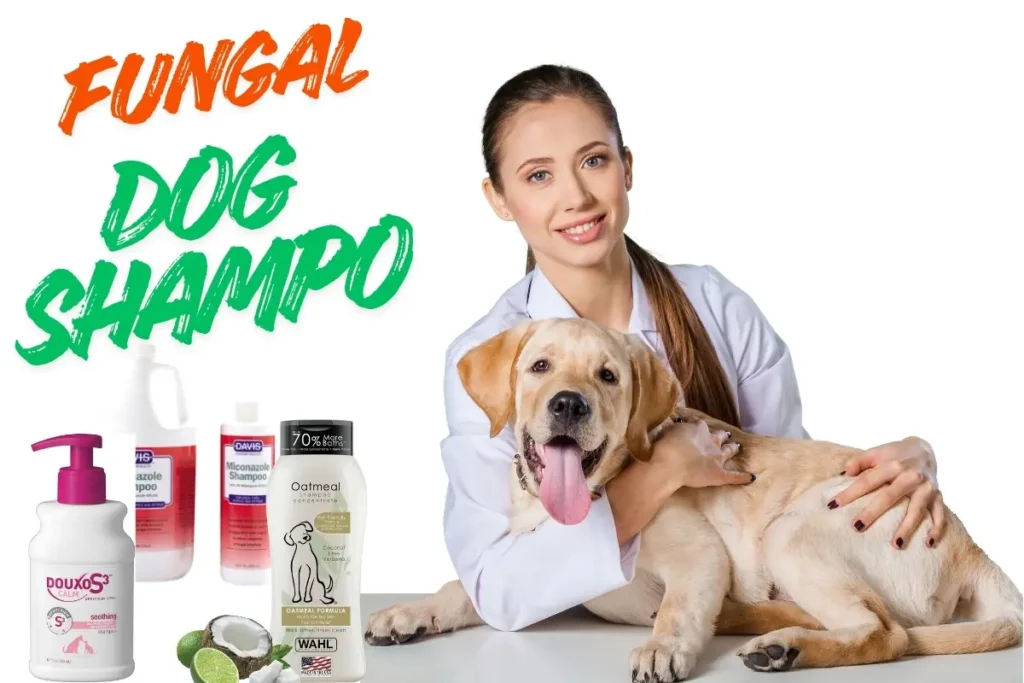
A regular bath won’t fix this. In fact, many standard grooming shampoos contain ingredients that can actually feed the fungus. To get the situation under control, you need a specialized tool: the best antifungal dog shampoo. In this guide, we will break down how these medicated washes work, which ingredients actually kill the fungus, and review the top 5 vet-recommended formulas for 2026.
Antifungal Dog Shampoo
An antifungal dog shampoo is a medicated wash designed to kill or control fungi on the skin, most commonly:
- Malassezia yeast causes greasy, smelly, itchy skin and paw licking
- Dermatophytes (ringworm) cause circular bald spots with scaling
These organisms love:
- Warm, moist areas (paws, armpits, groin, skin folds, ears)
- Dogs with underlying allergies, hormonal issues, or oily skin
- Skin that’s already damaged from scratching
Unlike regular grooming products, medicated antifungal shampoos:
- Contain specific active ingredients (like miconazole or ketoconazole)
- Must sit on the skin for several minutes before rinsing
- They are usually used 1–3 times per week, not daily, unless your vet says otherwise
They’re powerful tools, but they’re not a cure-all. For stubborn or recurrent infections, your vet may combine shampoo with oral medication, ear drops, or allergy treatment. The shampoo’s job is to reduce the fungal load on the skin and support healing.
Best Antifungal Dog Shampoo (quick overview)
The best antifungal dog shampoo is the one that matches your dog’s specific problem: yeast, ringworm, mixed infections, or just mild overgrowth with dry skin.
In general, look for:
- Proven antifungals—miconazole, ketoconazole, or similar “azole” drugs
- Dog-safe formulas—pH-balanced and clearly labeled for pets
- Soothing ingredients—oatmeal, aloe vera, ceramides, or moisturizers to protect the skin
- Clear usage directions—especially how long to leave the lather on
If your dog has classic yeast issues (odor, greasy skin, paw licking), a product marketed as the best antifungal dog shampoo for yeast will usually contain 1–2% miconazole or ketoconazole. For mild cases or very sensitive dogs, a natural antifungal shampoo with plant-based ingredients can help, but veterinary-strength formulas are usually necessary for persistent infections.
Vet Picks: dog shampoo for antifungal
Vets typically group antifungal shampoos into a few useful categories:
- Yeast-focused shampoos (miconazole/ketoconazole-based)
- Combination antibacterial and antifungal formulas (for mixed infections)
- Barrier-support shampoos that also restore moisture and skin defenses
- Natural-leaning options for mild cases or maintenance
Below are five representative shampoos (or shampoo types) and how they work, so you can speak your vet’s language and choose more confidently.
Top 5 antifungal dog shampoo reviews
When dealing with a fungal or yeast infection, simply using soap and water is not an option, and a treatment is needed. In order to get the most potent antifungal dog shampoos, we consulted the top picks of experts Dr. Sara Ochoa and Dr. Gavin Casper.
Important: Always consult with your vet before initiating any new treatments. It is vital, as Dr. Ochoa emphasizes, that one accurately diagnose oneself in order to ‘fully kick the infection.’
With their knowledge of medicine, we have made this ultimate guide to recommend the best medicated shampoo available on the internet that will work as a treatment for ringworm, yeast, and irritation on your dog’s skin. Confused as to what you should buy? Just take a look at some recommendations that we are offering you in this buying guide below
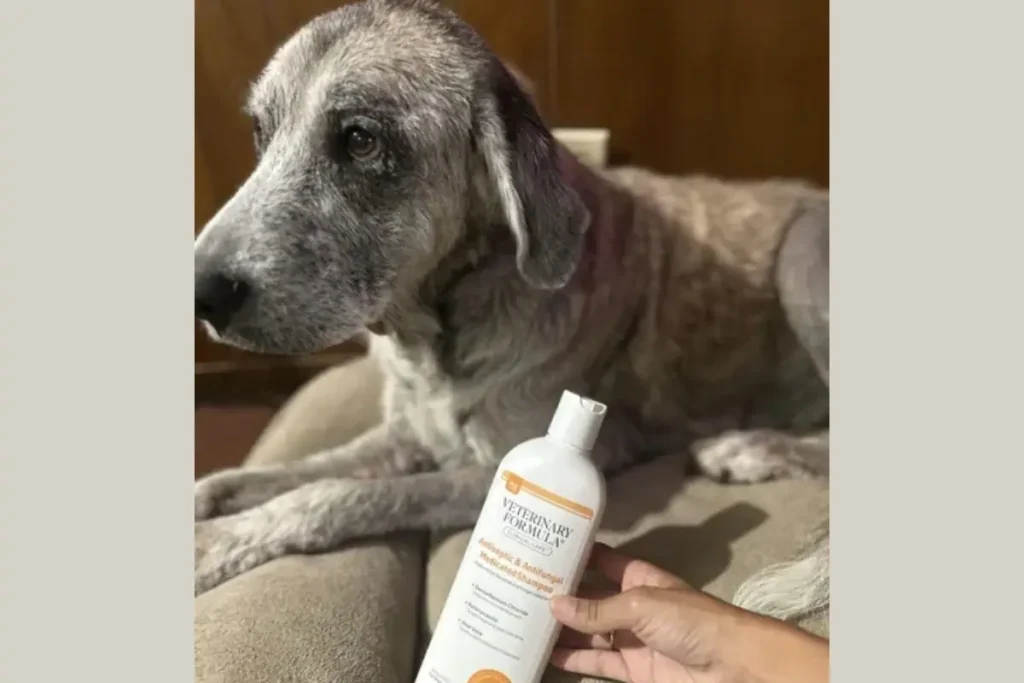
1. Veterinary Formula Clinical Care Antifungal & Antimicrobial Shampoo
Best for: Yeast infections with odor and greasy skin
This is a classic go-to for dogs with a strong “yeasty” smell and red, scaly patches. It’s widely considered one of the best antifungal dog shampoos for yeast problems on a budget.
- Key ingredients that support healthy skin:
- Ketoconazole: An antifungal that targets Malassezia yeast and ringworm.
- Benzethonium chloride: An antimicrobial that helps control bacteria on the skin.
- Aloe vera: Soothes irritation and adds moisture back into inflamed areas.
Used 2–3 times per week initially (or as your vet directs), it can quickly reduce odor and scratching. The main drawback is that it needs to sit on the coat for about 10 minutes to work well, and it has a noticeable medicinal scent.
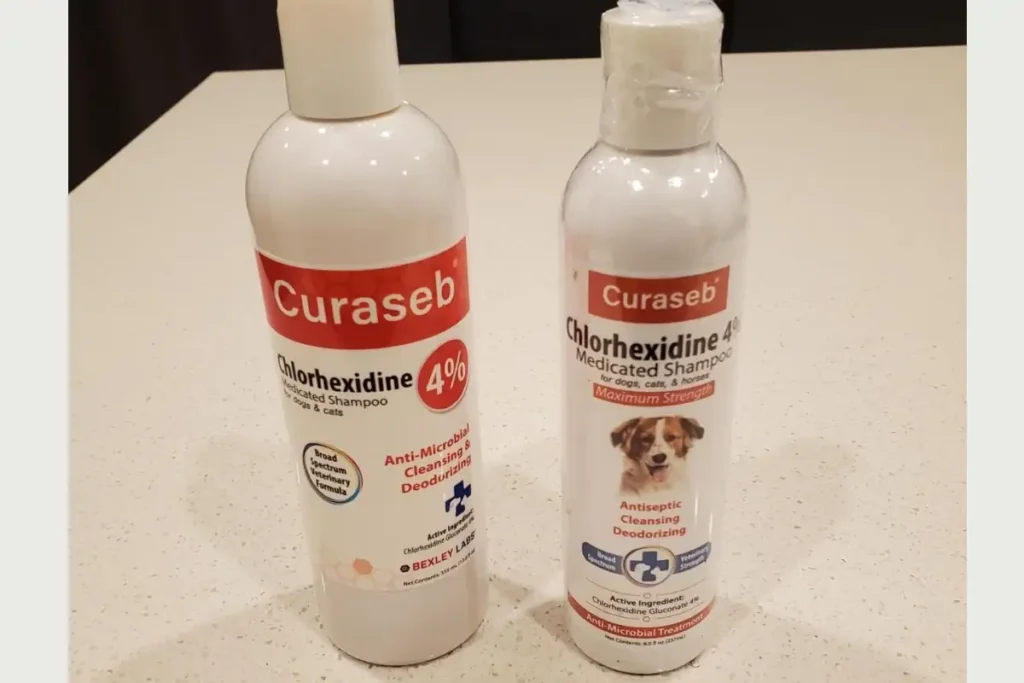
2. Curaseb Chlorhexidine & Ketoconazole Shampoo
Best for: Stubborn yeast plus bacterial co-infections
Curaseb is a strong antifungal dog shampoo combined with a powerful antiseptic, making it ideal for dogs with chronic, smelly skin infections that haven’t responded to mild products.
- Key ingredients that support healthy skin:
- Chlorhexidine (often 2–4%): Broad-spectrum antiseptic for bacteria.
- Ketoconazole: Kills yeast and many dermatophyte fungi.
- Moisturizing base + light fragrance: Helps offset dryness and odor.
This kind of formula is very effective but can be drying if used too frequently. It’s best used under veterinary direction, especially when switching from a basic shampoo to something stronger.
3. Davis Miconazole Pet Shampoo 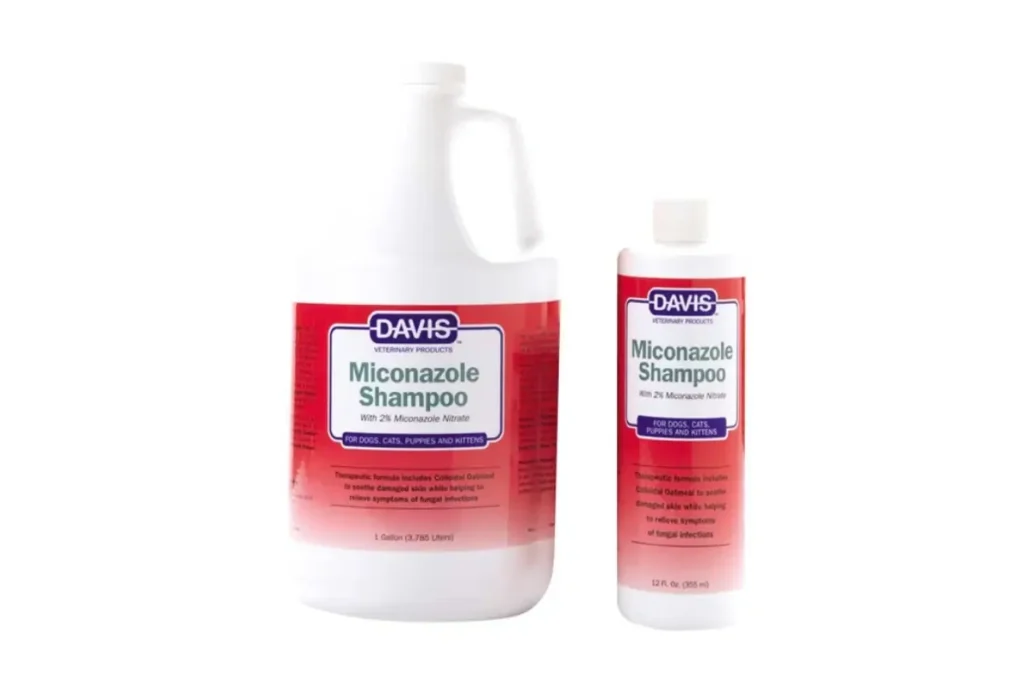
Best for: Targeted yeast and ringworm issues
Davis Miconazole is often recommended when fungus is the main problem and bacterial infection isn’t a big concern. It’s a focused option in the best antifungal dog shampoo category.
- Key ingredients that support healthy skin:
- Miconazole (around 2%): A trusted antifungal that disrupts fungal cell membranes.
- Colloidal oatmeal: Calms itching and helps hold moisture at the skin surface.
- Aloe vera or emollients: Soothe irritated patches and improve coat feel.
Because it’s more targeted to fungus, your vet might pair it with other products if bacteria are also present. It’s a good choice for many ringworm cases and yeast-driven paw or skin issues.
4. Douxo S3 Pyo or Calm (Antimicrobial with Barrier Support)
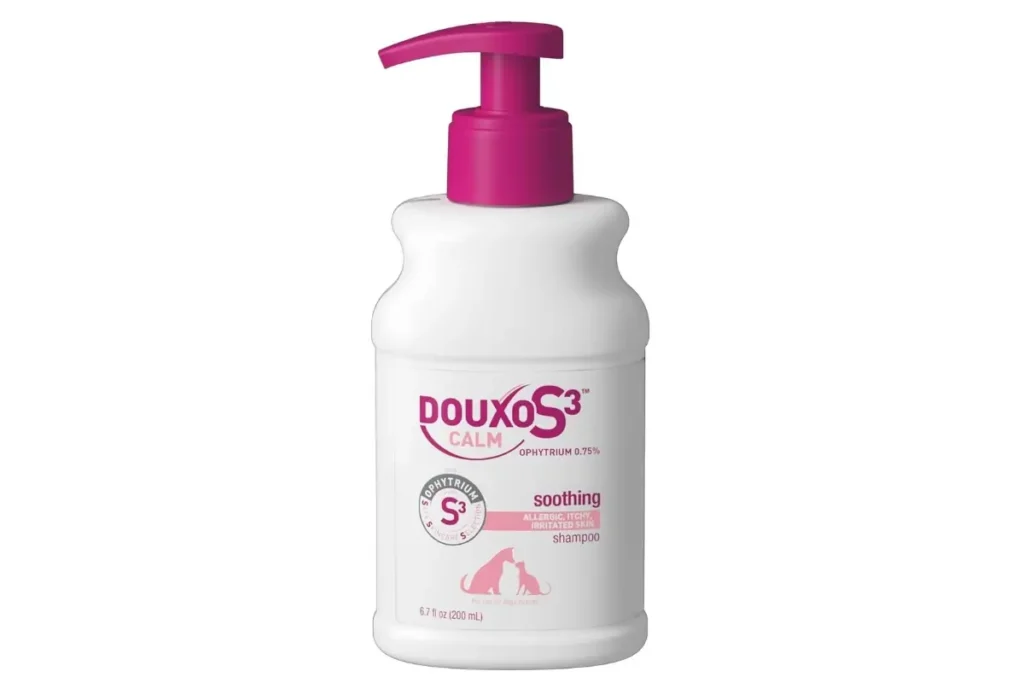
Best for: Allergic dogs with fragile skin and recurring infections
Douxo’s medicated lines are favorites among dermatology vets for dogs whose underlying allergies repeatedly cause yeast and bacterial overgrowth.
- Key ingredients that support healthy skin:
- Antiseptic (chlorhexidine) + light antifungal (varies by formula): controls microbes.
- Ophytrium or ceramides: Help rebuild and reinforce the skin barrier.
- Moisturizing, soap-free base: Cleans without stripping natural oils.
These shampoos are more expensive but very gentle relative to their strength, making them good for long-term management in allergy-prone dogs, not just emergency treatment.
5. Natural Oatmeal & Essential Oil Antifungal Shampoo
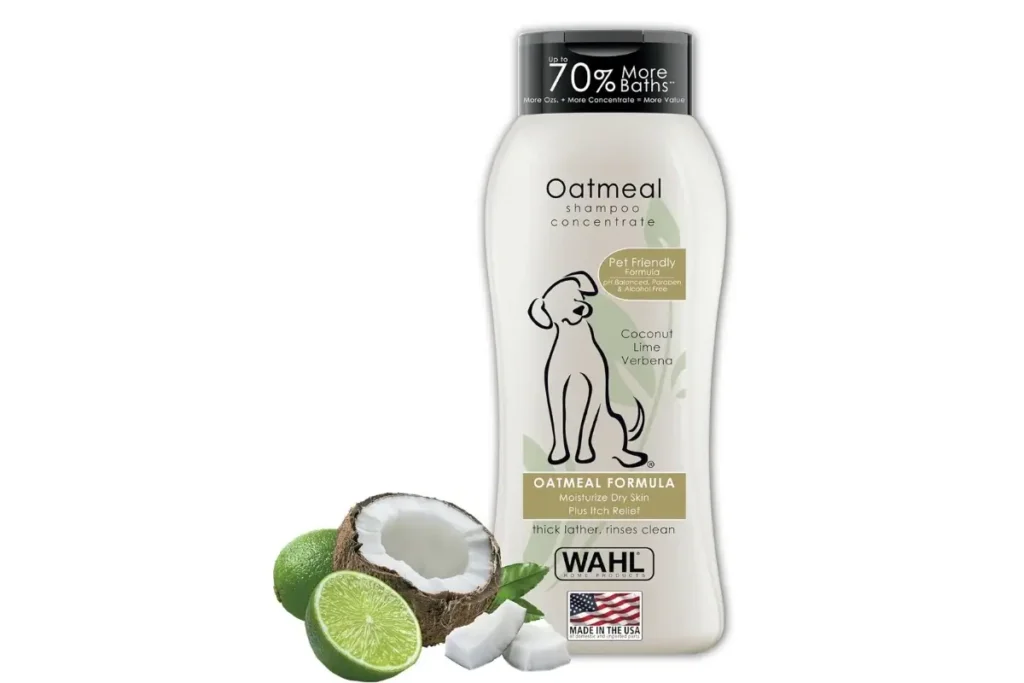
Best for: Mild overgrowth, maintenance, and sensitive owners
For dogs with very mild yeast issues or for maintenance between medicated baths, a natural antifungal shampoo for dogs can be useful—provided the ingredients are safe and properly diluted.
- Key ingredients that support healthy skin:
- Oatmeal: Soothes itch and dryness, supports a calmer skin surface.
- Mild essential oils (like neem or very low-dose tea tree): Offer light antifungal/antibacterial action.
- Aloe vera and plant oils: hydrate and condition skin and coat.
These formulas won’t usually be enough to treat moderate or severe infections, but they can help dogs with sensitive skin feel more comfortable and may reduce the frequency of flare-ups when used alongside a vet-prescribed medicated shampoo.
Antibacterial and Antifungal Dog Shampoo
Often, yeast isn’t the only problem. Allergies, moisture, and scratching can also invite bacteria, especially Staphylococcus species, to infect the skin. In those cases, a combined antibacterial and antifungal dog shampoo is more appropriate than a purely antifungal one.
When you might need a dual-action shampoo
- Strong, unpleasant odor that returns quickly after baths
- Pustules, pimples, or oozing spots in addition to scaling
- Thickened, dark skin from long-term irritation
- Multiple hot spots or deep skin folds are prone to infection
Key ingredients to look for
- Chlorhexidine:
- Broad-spectrum antiseptic that tackles many common bacteria.
- Reduces bacterial load and helps resolve pyoderma (bacterial skin infection).
- Ketoconazole or Miconazole:
- Antifungal components that target yeast and ringworm organisms.
- Barrier and comfort ingredients:
- Oatmeal, aloe vera, ceramides, and fatty acids help skin recover.
The best antibacterial and antifungal dog shampoo for your dog will depend on how severe the infection is and how sensitive their skin tends to be. Because these products are fairly strong, it’s wise to use them under veterinary guidance and not as an everyday grooming wash.
Frequently Asked Questions (FAQs)
How can I treat my dog’s fungal infection from home?
Using a veterinarian-approved antifungal dog shampoo as instructed, which is often 1 to 3
Allow the lather to remain on the coat for 5-10 minutes before rinsing.
Drying the dog extensively, in particular, the paws and skin folds.
Washing your beddings in hot water.
However, home care is not a substitute for a veterinary visit. Fungal infections, particularly ringworm or yeast infections, may require prescription medication in addition to shampoo.
Can I use antifungal shampoo for my dog?
Yes, but make sure it is specially formulated for use on dogs. The pH factor of dog skin is 7.5, while that of a human being is 5.5. Using a human formula may damage your dog’s skin further and make it vulnerable to infections due to its acidic nature.
What is the best antifungal shampoo for dogs?
The best fungus-fighting shampoo for dogs might be considered on the basis of the severity of the infections. For instance, for dogs that may have yeast infections, the best product might be the Veterinary Formula Clinical Care. For dogs that may have ringworm infections or any other infections in
Q4: What is a safe topical antifungal for dogs?
The best topical treatments that are most effective and safe for dogs to accept are miconazole, ketoconazole, and climbazole. This slows down the development of the fungus without being bad for the dog. An alternative treatment that can be used is diluted tea tree oil. This can be effective, but it has to be used in moderation because too much tea tree oil is bad for the dog.
Q5: Is ketoconazole 2% shampoo safe for dogs?
Yes, “Ketoconazole 1% to 2%” is actually the industry dosage for treating “yeast and ringworm on dogs.” Yes, it’s safe to apply according to instruction (topical application). However, do not let your dog lick it when it’s wet on the skin, or they’ll get upset stomachs.
Q6: Can I use human antifungal on a dog?
Human shampoo (Nizoral) should never be used on dogs because of the pH level differences. Even if it works effectively because it contains an effective ingredient (ketoconazole), the combination of the ingredient with soap and the pH level in human shampoo can cause stripping of the natural oils in the skin, which makes it even itchier.
Conclusion
A fungal infection may transform a happy dog into a miserable, itchy mess, but this is a treatable condition. Using the most effective antifungal dog shampoo with an effective composition of ingredients such as miconazole or ketoconazole, you will be able to get rid of the yeast and guarantee your dog returns to the comfort level.
Keep in mind that fungal spores are recalcitrant. Consistency is key. You can opt to take the natural path or use a clinical-strength Curaseb wash, but do not leave the bath course short; you have to do it as suggested by the manufacturer. In case the situation has not changed in a couple of weeks, or it appears that the skin is infected, always visit your veterinarian.
Related post: Best Dog Shampoo for Dandruff: A Groomer’s 2026 Guide