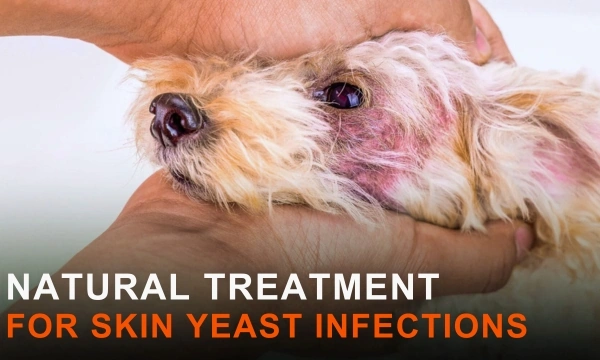
In this guide, you’ll learn exactly how to choose the best dog shampoo for yeast infection, which ingredients really work (and which to avoid), how often to bathe your dog, and when medicated or vet-prescribed formulas are the safer choice. By the end, you’ll know how to give your dog real relief—without wasting money on shampoos that only mask the smell for a day or two.
How to Choose the Best Dog Shampoo for Yeast Infection
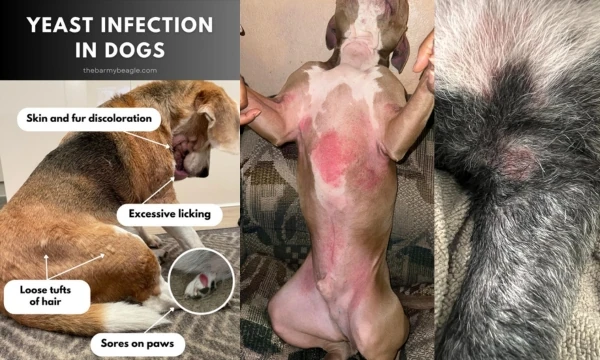
There is a specific smell that every dog owner dreads. It isn’t just the smell of a wet dog; it is distinct. It smells like old corn chips, musty cheese, or sourdough bread. If you lean in to smell your dog’s paws or ears and catch that scent, combined with relentless scratching, licking, and chewing, you are likely dealing with a yeast infection.
Seeing your furry best friend in constant discomfort is heartbreaking. The endless thumping of a leg in the middle of the night and the raw, red skin can make any pet parent feel helpless. While diet and internal health play a huge role, immediate relief usually starts in the bathtub.
However, grabbing a generic oatmeal shampoo off the shelf often won’t cut it—and in some cases, it can make the problem worse. To tackle this fungal foe, you need the best dog shampoo for yeast infection, formulated specifically to lower the skin’s pH and kill the overgrowth. In this guide, we will dive deep into what works, what ingredients to look for, and how to finally give your pup the relief they deserve.
Shampoo for Yeast Infection Dogs: Understanding the “Why”
Before you can treat the problem, it is crucial to understand what is happening on your dog’s skin. This helps explain why your standard grooming products aren’t working.
What is Yeast Dermatitis?
Yeast (specifically Malassezia pachydermatis) is actually a normal inhabitant of your dog’s skin. In a healthy dog, it lives in harmony with bacteria and the immune system. However, when the skin’s ecosystem gets thrown off balance—due to allergies, humidity, hormonal issues, or a weakened immune system—the yeast seizes the opportunity to multiply rapidly.
When looking for a shampoo for yeast infection dogs, you aren’t looking for a product that just cleans dirt. You are looking for a product that alters the environment of the skin. Yeast thrives in moist, warm, and alkaline environments. Therefore, effective shampoos must be antifungal and often slightly acidic to make the skin inhospitable to the yeast.
Why Regular Shampoos Fail
Many owners make the mistake of using moisturizing shampoos or heavily scented products to cover the smell. Here is the issue:
- Trapped Moisture: Heavy conditioners can trap heat and moisture against the skin, feeding the fungus.
- Wrong pH: Human shampoos or generic dog soaps may not balance the skin’s pH correctly.
- Feeding the Yeast: Believe it or not, some shampoos containing oatmeal or grains can technically provide a carbohydrate source that yeast might thrive on, though this is debated among dermatologists. Generally, for a flare-up, you want a medicated, non-food-based formula.
Best Dog Shampoo for Yeast Infection: Top Criteria
When you are browsing the aisles or searching online, the options can be overwhelming. How do you distinguish between marketing fluff and clinical effectiveness? Finding the best dog shampoo for yeast infection comes down to three main factors: Active Ingredients, Contact Time, and Skin Barrier Support.
1. The Active Ingredients
You need a heavy hitter. When reading the label, look for these specific compounds. If the bottle doesn’t contain at least one of these, it is likely just a deodorizer, not a treatment.
- Chlorhexidine Gluconate: This is a broad-spectrum antiseptic that kills both bacteria and yeast. It is one of the most common and effective ingredients found in veterinary formulas.
- Ketoconazole: A potent antifungal medication specifically effective against Malassezia.
- Miconazole: Another antifungal often paired with Chlorhexidine for a “double punch” effect.
- Selenium Sulfide: Often found in anti-dandruff shampoos, this can be effective but should be used with caution and under vet advice as it can be drying.
2. The “10-Minute Rule”
Even the best dog shampoo for yeast infection will fail if used incorrectly. This is the number one reason owners don’t see results.
Medicated shampoos are not “wash and go.” They are topical therapies. Once you lather your dog up, the suds must remain on the skin for a minimum of 10 minutes. This allows the active ingredients to penetrate the hair follicle and kill the yeast spores. If you rinse immediately, you are essentially washing money down the drain.
3. Soothing Additives
Because antifungal ingredients can be drying, look for formulas that include soothing agents like Aloe Vera or Vitamin E to help repair the skin barrier once the yeast is dead.
Homemade Dog Shampoo for Yeast Infection
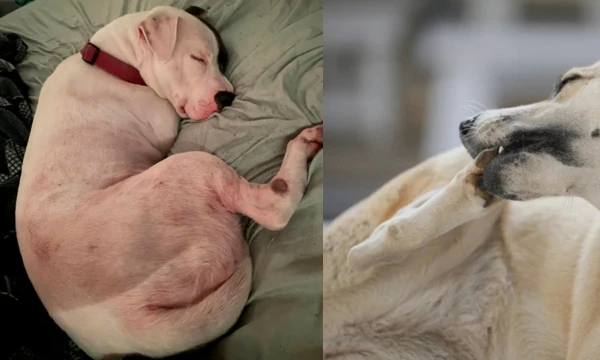
For mild cases, or for owners who prefer a natural route before trying heavy pharmaceuticals, a homemade dog shampoo for yeast infection can be a helpful maintenance tool. The goal here is primarily to acidify the skin, as yeast cannot survive in an acidic environment.
The Apple Cider Vinegar (ACV) Rinse
ACV is the holy grail of DIY yeast treatments. It possesses natural antifungal properties and helps reset the pH balance of the skin.
- The Recipe: Mix 50% organic Apple Cider Vinegar with 50% water.
- How to Use: After bathing your dog with a gentle cleanser to remove dirt, pour this mixture over the affected areas (paws, armpits, groin).
- Important: Do not rinse it off. Let your dog drip dry or towel dry.
- Warning: Do not use this on open wounds or raw, bleeding skin, as it will sting immensely.
Coconut Oil Rub
While not a shampoo, coconut oil contains caprylic acid, which breaks down yeast cells. Using a small amount of coconut oil as a pre-bath treatment can help loosen scabs and attack the fungus.
While a homemade dog shampoo for yeast infection is great for prevention, severe cases with thickened “elephant skin” or bleeding usually require the clinical strength options discussed below.
Medicated Shampoo for Dogs Yeast Infection
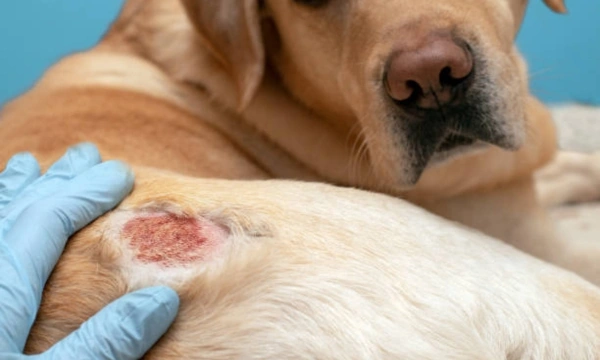
When the itching is severe, or the smell is overpowering, it is time to bring in the heavy artillery. A medicated shampoo for dogs yeast infection is formulated to treat moderate to severe cases of yeast dermatitis.
The Veterinary Gold Standard
Veterinarians typically prescribe or recommend shampoo for yeast infection that combine an antifungal with an antibacterial. Why? Because yeast infections rarely travel alone. The scratching damages the skin, allowing bacteria (staph) to enter, creating a secondary bacterial infection.
A classic combination to look for is 2% Chlorhexidine and 1% Ketoconazole. This ratio is clinically proven to be highly effective.
- Benefits: It treats the yeast and the bacteria simultaneously.
- Usage Frequency: Unlike regular bathing (once a month), a medicated shampoo for dogs yeast infection usually needs to be used every 2 to 3 days until the symptoms subside, then tapered off to once a week.
Addressing Sensitive Skin
One challenge with medicated shampoos is that they strip the natural oils. If your dog has sensitive skin, look for medicated options that are “soap-free” or contain ceramides. Ceramides help rebuild the skin’s lipid barrier, preventing allergens from entering and water from escaping.
When to Stop Using It?
A common mistake is stopping the treatment as soon as the itching stops. Yeast is stubborn. You should typically continue the bathing routine for 7 to 10 days after the skin looks normal to ensure the fungal spores are completely eradicated.
Frequently Asked Questions (FAQs)
We know you have specific questions about how to get your dog relief. Here are the answers to the most common queries regarding yeast treatments.
Q1: What dog shampoo is best for yeast infection?
The best shampoo is one that contains specific antifungal ingredients like Chlorhexidine, Ketoconazole, or Miconazole. Veterinary-recommended brands like Douxo S3 Pyo or Curaseb are widely considered top-tier because they combine these ingredients with skin-soothing agents to prevent dryness.
Q2: What kills yeast infection on dogs’ skin?
Yeast is killed by antifungal agents and by altering the skin’s pH. Chemically, ingredients like Ketoconazole and Chlorhexidine destroy the cell walls of the yeast. Naturally, acidic environments created by Apple Cider Vinegar can kill yeast or stop it from reproducing. Keeping the skin dry is also essential, as yeast dies without moisture.
Q3: What shampoo kills yeast infections?
Any shampoo labeled “Antifungal” or “Antiseptic” typically works, provided it contains the right active ingredients. Look for a label that explicitly states it treats Malassezia. Avoid general “whitening” or “volumizing” shampoos, as they do not contain the necessary medicinal properties to kill the infection.
Q4: What can I bathe my dog with for a yeast infection?
If you are waiting for your medicated shampoo for yeast infection to arrive, you can bathe your dog with a mixture of water and white vinegar or apple cider vinegar (diluted 1:1) to help lower the pH and soothe the itch. However, for a cure, you should use a dedicated medicated shampoo containing antifungal properties.
Final Thoughts on Healing Your Pup
Dealing with yeast is a marathon, not a sprint. Finding the best dog shampoo for yeast infection is the first and most critical step, but consistency is key. Remember to lather up, wait that crucial 10 minutes, and rinse thoroughly. If you don’t see improvement after two weeks of consistent bathing, or if the skin looks infected, always consult your veterinarian, as there may be an underlying allergy or thyroid issue driving the infection.
With the right routine, you can banish the “corn chip” smell and get back to cuddling your happy, itch-free dog.
Related post: Best Dog Shampoo for Itchy Skin: The Ultimate Guide